
spiff free download: Adaptive Transient Control
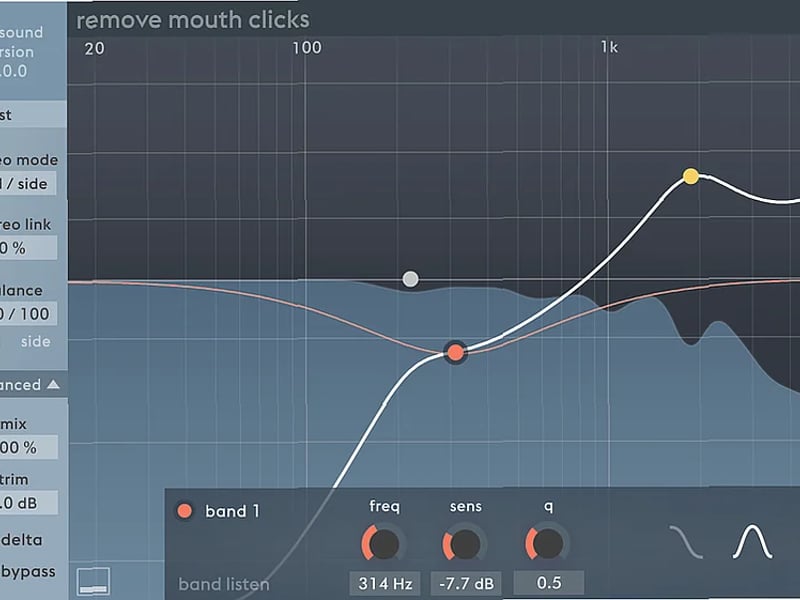
If you're dealing with unwanted clicks, pops, or harsh attacks in your recordings, or you need to reshape an instrument's character without wrecking its tone, Oeksound's spiff handles transient processing adaptively. It’s a free download that works like a dynamic EQ for transients, reacting only when it detects them.
Instead of applying broad compression or EQ, spiff analyses the incoming signal and applies its cut or boost only to the parts containing transient information. This means you can tackle mouth noises, hard consonants, or a sharp guitar pick attack while leaving the rest of the signal—the sustain, the tone, the body—completely untouched. You can set it and largely forget it, without needing constant manual readjustment.
How It Processes Sound
Adaptive Transient Analysis The core of spiff is its adaptive analysis engine. It doesn't process the entire signal continuously. It detects transient events and applies your chosen cut or boost precisely to those moments. This reaction-only-where-needed approach is what keeps the non-transient parts of your audio clean. Cut and Boost Modes You have two primary modes. Use the cut mode to attenuate or remove transient information, like cleaning up vocal artifacts or softening an attack. The boost mode enhances transients, which can help bring drum hits or percussive elements forward in a mix without raising the overall RMS level. Frequency-Specific Control An EQ-section allows for frequency-specific processing. This lets you target transients in a specific band—for example, to boost the fundamental thump of a kick drum without adding boominess to the tail, or to remove the click from a close-mic'd snare without affecting the snare wire sound. Monitoring and Precision A Delta toggle lets you solo exactly what is being removed or added by the processing. Per-band cue buttons allow you to isolate the signal in each EQ band. For higher quality, you can engage oversampling and an increased resolution option, though these will raise the CPU load.Who Should Use spiff
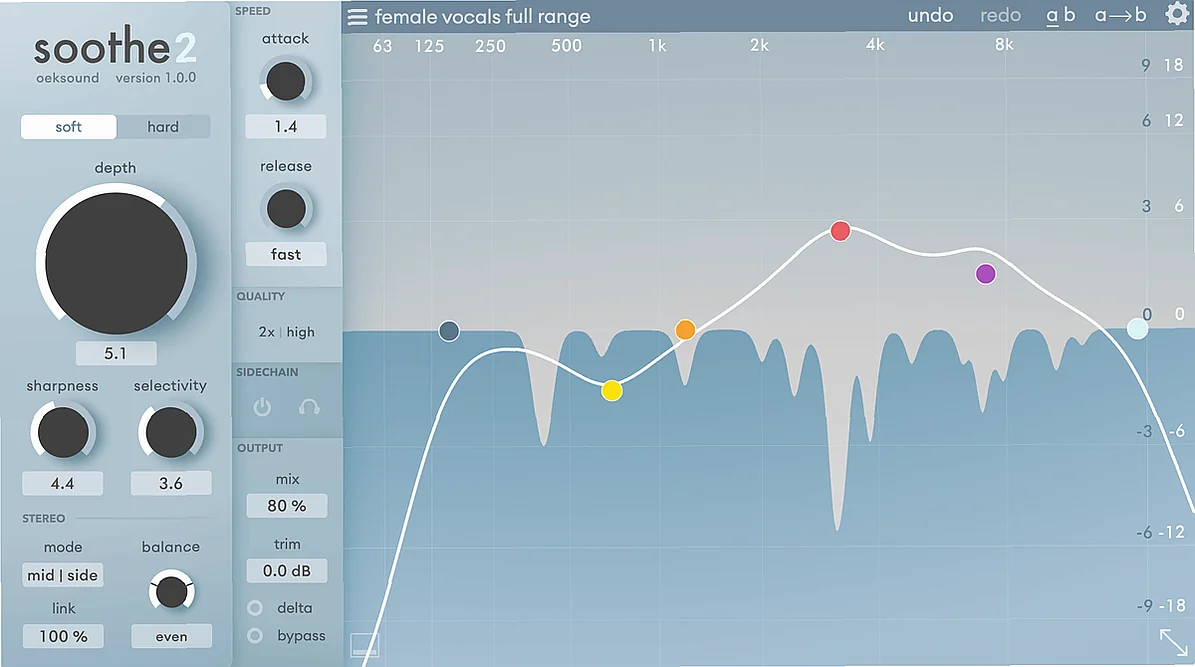
This fits audio engineers and producers who need surgical control over transients in recorded material. It's useful for scenarios like cleaning up dialogue or vocal tracks plagued by mouth clicks, pops, and hard consonants. It also works for sound shaping: soften a guitar's pick attack while keeping its brightness, remove the attack from a piano to create a pad-like sound, or bring drum transients forward for punch without increasing loudness. If you've used soothe for taming resonances, this applies a similar adaptive philosophy to transients.
Final Verdict
Grab spiff if you need detailed, automatic control over transients and are tired of manual gating or broad processing that introduces side effects. You get a tool that can clean up recordings and reshape attacks while preserving the original sound's character. The catch is you'll need an iLok account and online access for the initial activation, and the high-quality oversampling modes will demand more from your CPU. For the specific problems it solves, it's a focused and effective free download.

 Popular

 Categories


