
Pulsar Free Download: GML 8200 EQ Emulation
Need the surgical precision and musical color of the classic GML 8200 hardware EQ without the five-figure price tag? Looking for a mastering-grade equalizer that uses parallel topology for transparent tonal shaping? The Pulsar 8200 is a component-accurate software model of that legendary hardware, and it’s available as a free download.
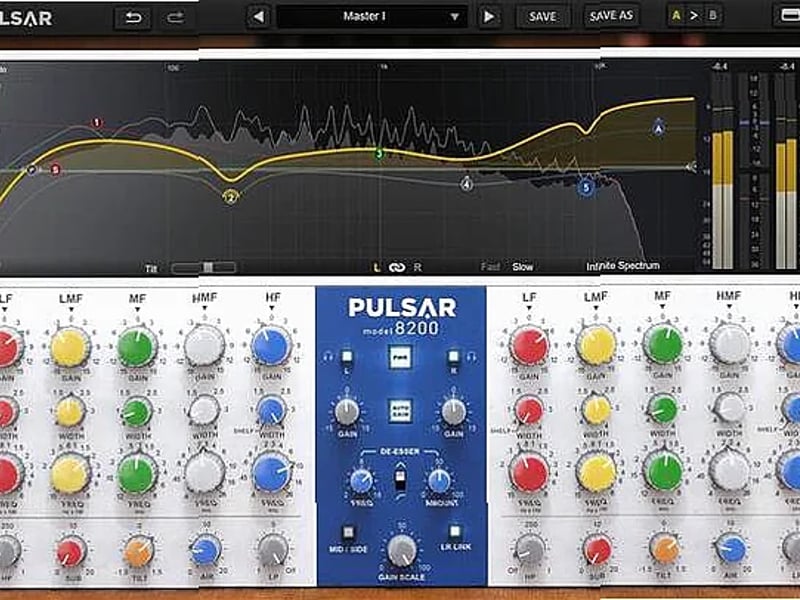
It replicates the original unit's all-discrete, Class-A analog electronics and its unique approach to equalization. You get a parametric EQ with a parallel signal path, which lets you blend processed and unprocessed sound for more natural adjustments. This is built for detailed mixing and mastering work where you need control without losing the character of your source.
What You Get: Features and Controls
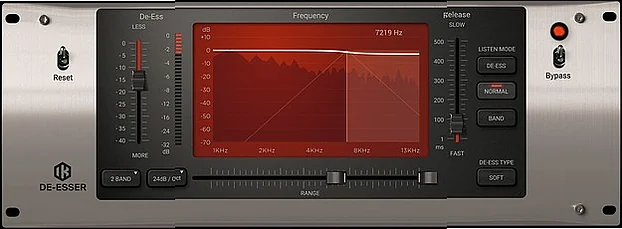
Parametric EQ with Parallel Topology The core is a full parametric equalizer. Its parallel topology means the EQ’d signal is mixed back with the original dry signal. This can lead to more musical and less abrasive filtering compared to purely serial EQ. On-Screen Curve Editor and Analyzer You edit bands directly on a visual curve display, and a built-in spectrum analyzer shows you the real-time frequency content of your audio. This helps you make precise, informed decisions. Specialized Filtering Options Beyond standard bands, you get a Tilt filter for overall tonal balance, and dedicated Air and Sub bands for subtle high-end sparkle or low-end weight. High and low-cut filters are also included for cleanup duties. Built-in De-esser This isn’t just an EQ. It has a dedicated de-esser section with controls for Frequency, Amount, and Band Type. You can use it to target and reduce sibilance and harshness directly, without needing a separate plugin. Component-Accurate Model The plugin emulates the original unit's unique filter shapes and parallel EQ behavior. The goal is to capture not just the sound, but the specific way the original hardware responds when you turn a knob.Who Should Use The Pulsar 8200
This plugin fits specific, high-detail mixing and mastering scenarios. Grab it if you’re in one of these situations:
Mastering engineers working on a master bus who need precise, versatile tonal adjustment. It’s particularly useful for opening up the stereo side image while keeping the center of a mix focused. Mixing engineers processing vocals, live recordings, or acoustic instruments. Use it to enhance the natural character of an acoustic piano or orchestral recording, or to control harsh high-frequency transients in overhead mics and vocal tracks using its de-esser. Producers of electronic music who want the color and precision of a high-end analog EQ model for sound design and final polish, applying its filtering to synthetic elements.Final Verdict
So, should you get the Pulsar free download? If you’re a mixing or mastering engineer who values detailed, musical EQ curves and parallel processing, this is a very useful tool. It gives you a faithful software version of a classic hardware unit’s workflow, complete with a capable de-esser. It’s good for mastering, vocal smoothing, and enhancing acoustic material. Since it’s a free download, the main requirement is just seeing if its particular flavor of analog emulation and parallel EQ fits into your workflow. For surgical tonal balance tasks, it’s definitely worth trying.
 Popular
 Categories


